
Storm recovery
Will my lawn and plants survive salt water? What recovers after a storm surge
 By Duncan, owner · ASLA Florida Chapter6 min read
The short answer
Most of it will, if you flush the salt out early and wait before pulling anything. Salt damage shows up over the three or four weeks after the water drains, so a lawn that looks fine today can brown out, and a shrub that looks dead today can releaf.
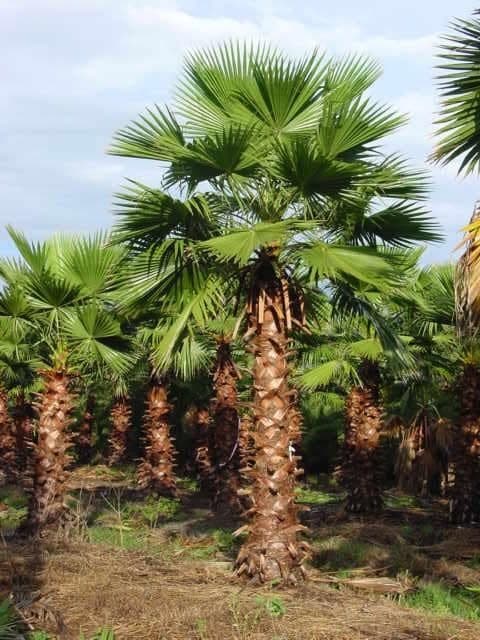
St. Augustine and zoysia lawns tolerate salt well and usually recover. Centipede does not. Sabal palms shrug it off; queen palms and most tender ornamentals do not.
Isaias pushed roughly five feet of surge into parts of the coast and left bay-side and canal-front lots under brackish water for hours. The water is gone. The salt is not, and the questions we are getting this week all come down to the same one: is it dead?
Usually not yet. Here is how salt actually damages a landscape, what that means for each kind of plant, and the order to deal with it in.
Two kinds of salt damage
Salt hurts plants in two different ways, and the fix is different for each.
Salt spray on leaves. Wind-driven spray coats the foliage on the side facing the water, and the leaves scorch: brown, crisp, often sharply one-sided. It looks dramatic and it is mostly cosmetic. The plant drops the burned leaves and pushes new ones. Rinsing foliage with fresh water in the first day or two helps; after that, the damage is done and the plant will sort it out.
Salt in the root zone. This is the one that kills. When surge or bay water stands on a lot, salt moves into the soil, and because salt draws water out of roots, the plant is effectively in a drought while standing in wet ground. The damage is slow: the lawn looks fine for a week, then yellows, then browns over the following month. Shrubs wilt despite rain. This is why the week-one verdict is usually wrong in both directions.
The University of Florida's irrigation guidance notes that soil salinity after a salt-water event can run several times higher than the water that caused it, because the water evaporates and the salt stays. The only way out is to push it down below the roots with fresh water.
Flush first, decide later
If you have fresh water, whether city supply or a well, run it. The UF/IFAS recommendation for leaching salt is to irrigate above the lawn's normal water use, on the order of 30 percent more, for a sustained period so the salt is carried down through the sand rather than left in the root zone. Our sandy coastal soils drain fast, which for once is an advantage: salt leaches out of sand far more readily than out of clay.
Three rules while you flush:
- Do not fertilise. Fertiliser is a salt. Adding it to a root zone already full of salt makes things worse. Wait for new growth, then feed lightly.
- Gypsum only with a soil test. Gypsum swaps calcium for sodium so the sodium can be leached. It helps where sodium is genuinely high and does nothing where it is not, and it still needs the fresh water to carry the sodium away.
- Fix the irrigation before you rely on it. Systems that were under water have sand and salt in the lines. Flush each zone to a drain, replace broken heads, and check the controller, before you trust it to do the leaching. Our irrigation page covers what usually breaks.
If your irrigation draws from a well that was itself inundated, test the water before using it to flush; watering with brackish well water just adds more salt.
Lawns: it depends on the grass
Turf tolerance to salt varies a lot by species, and on this coast the species is usually one of four.
| Grass | Salt tolerance | Likely outcome after surge |
|---|---|---|
| St. Augustine (Palmetto, Floratam) | Good | Browns, then recovers with flushing in most cases |
| Zoysia (Empire and similar) | Good | Slow to show damage, slow to recover, usually survives |
| Bermuda (Celebration and similar) | Good | Tolerates salt well and recovers quickly from runners |
| Centipede | Poor | Often lost where water stood; usually replaced |
UF/IFAS names St. Augustine and zoysia as the salt-tolerant choices for Florida home lawns, with the caveat that "tolerant" means they handle spray and an occasional inundation, not irrigation with salty water. Bermuda is also widely used on salt-exposed sites. Centipede, the cheapest and most common sod in inland Walton and Okaloosa, has poor salt tolerance and is the grass we are replacing most this month on lots that flooded.
How to judge your lawn at three to four weeks: part the brown blades and look at the base. Green shoots or runners coming through mean it is recovering and needs nothing but water and time. Brown all the way down, with the runners dry and brittle, means it is gone. Replace it with a grass matched to the exposure; our sod installation page compares the varieties we lay and where each one belongs.
Palms
Palms vary as much as grasses do.
Cabbage palm, sabal palm. Native to this coast, highly salt tolerant, and the palm most likely to be standing and green after a storm. If it is upright, leave it alone.
Pindo, Canary Island date, Washingtonia. Moderate tolerance. Expect spray scorch on the windward fronds and a recovery over the season.
Queen palm. Low salt tolerance and a shallow root plate. These are the palms lying down across the coast this week and the ones most often lost to root-zone salt even when they stayed up.
For any palm, the thing to check is the spear: the newest, unopened frond at the centre of the crown. If the spear is green and firm, the palm is alive whatever the outer fronds look like. If the spear is brown, or pulls out of the crown when you tug it, the growing point has died and the palm will not recover. Do not strip fronds to "help" it; a palm needs every green frond it has. Remove only what is fully brown.
Leaning palms are a separate question, covered in the first two weeks after a hurricane; the short answer is to stand them back up within a week or two.
Shrubs, trees and beds
Wait before pulling anything woody. Defoliation is not death. Most shrubs that lost their leaves to wind and spray push new growth within a month. Scratch the bark on a stem: green underneath means alive, brown and dry means dead. Give anything with green under the bark four weeks.
Rinse what you can early. For the first day or two after the storm, hosing salt spray off foliage genuinely helps. After that the leaves are already burned and rinsing is just water.
Strip the beds. Old mulch is full of salt and leaf litter. Rake it out, flush the bed with the rest of the yard, and re-mulch once things have settled. Mulch slows evaporation, which slows the salt coming back up.
Choose replacements for the exposure. If a bed floods from the bay or the gulf, replace with plants that are rated for it rather than the same thing that just died. UF/IFAS keeps a salt-tolerant plant list, and our nursery in Freeport stocks the ones that do well here. Gulf-front and bay-side lots are different cases, which is a guide in its own right and on the list.
The order of operations
- Rinse foliage, first day or two.
- Repair the irrigation so it can be trusted.
- Flush with fresh water for two to four weeks, no fertiliser.
- At three to four weeks, judge the lawn by the base of the blades and the shrubs by the scratch test.
- Replace what is gone with something rated for the exposure.
That is also the order we work in on our clients' lots after a storm. Assessment is part of storm cleanup; replanting with stock from our own nursery is a second visit once the yard has shown what it is going to do.
Questions we get about this
How long should I wait before replacing my lawn?
Three to four weeks after the water drained, and only after flushing it with fresh water for most of that time. Salt-damaged turf keeps declining for a few weeks and then either pushes new growth or does not. Judge it then, not now.
Should I put gypsum down?
Only if a soil test shows high sodium. Gypsum displaces sodium from sandy soil so it can be leached out, but on its own it does nothing without the fresh water to carry the salt away, and it is a waste of money where sodium is not actually the problem.
Should I fertilise to help the lawn recover?
Not yet. Fertiliser is a salt, and adding it to a root zone already full of salt makes the damage worse. Flush first, wait for new growth, then feed lightly.
Which grass should I replace it with?
On a lot that floods from the bay or the gulf, St. Augustine or zoysia. Both tolerate salt well and both are grown for this coast. Centipede is the cheapest sod and the first to die in salt water, which is why so much of it is being replaced this month.
My palm fronds are brown on one side. Is it dying?
Probably not. One-sided browning is salt spray scorch on the windward side, and the palm will push new fronds from the crown. A palm whose newest, central spear leaf is brown or pulls out easily is a different matter and is probably lost.
Sources and further reading
- UF/IFAS — Treating irrigation systems and soils affected by salt water (EP068)
- UF/IFAS Gardening Solutions — Salt-tolerant lawngrasses
- UF/IFAS Gardening Solutions — Salt-tolerant plants
- UF/IFAS Extension — After the storm, flooded landscapes
- The Weather Channel — Hurricane Isaias recap, Gulf Coast and Southeast (surge figures)
Related services
More guides
Not sure what's dead and what's just sulking?
Send a few photos. We'll tell you what to flush, what to wait on, and what to replace — and the sod and palms for the last part come from our own nursery.
Allgood Outdoor Services Inc., 20502 US Highway 331 S, Freeport, FL 32439. 850.368.5917.